Exam Fear in Children: What Parents Do Wrong (and Right)
Last verified: 8 November 2026 | Reading Time: 8 min | Author: Priya Verma
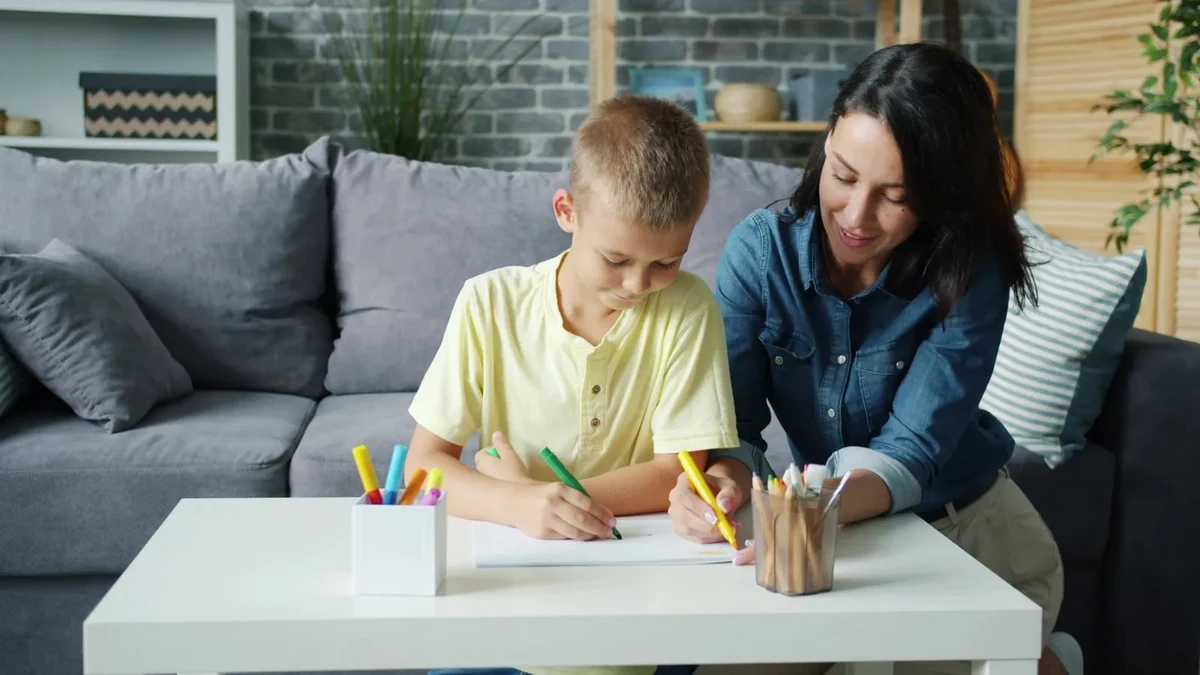
The night before a test, a Class 5 child who was laughing at dinner is suddenly quiet. The school bag is packed twice, the pencil box checked three times, and at bedtime comes the question no parent wants to hear: “Mummy, what if I fail?” That fear is not a sign your child is weak, nor that you have failed as a parent. It is the most common feeling in any classroom before an exam — and what happens next decides whether that fear shrinks into focus or grows into a habit.
This guide is for parents of children in Classes 1 to 8. It is what counsellors see every exam season: the same five mistakes, the responses that actually work, and the signs that mean a child needs more help than a pep talk.
What Exam Fear Actually Looks Like (It Is Rarely Tears)
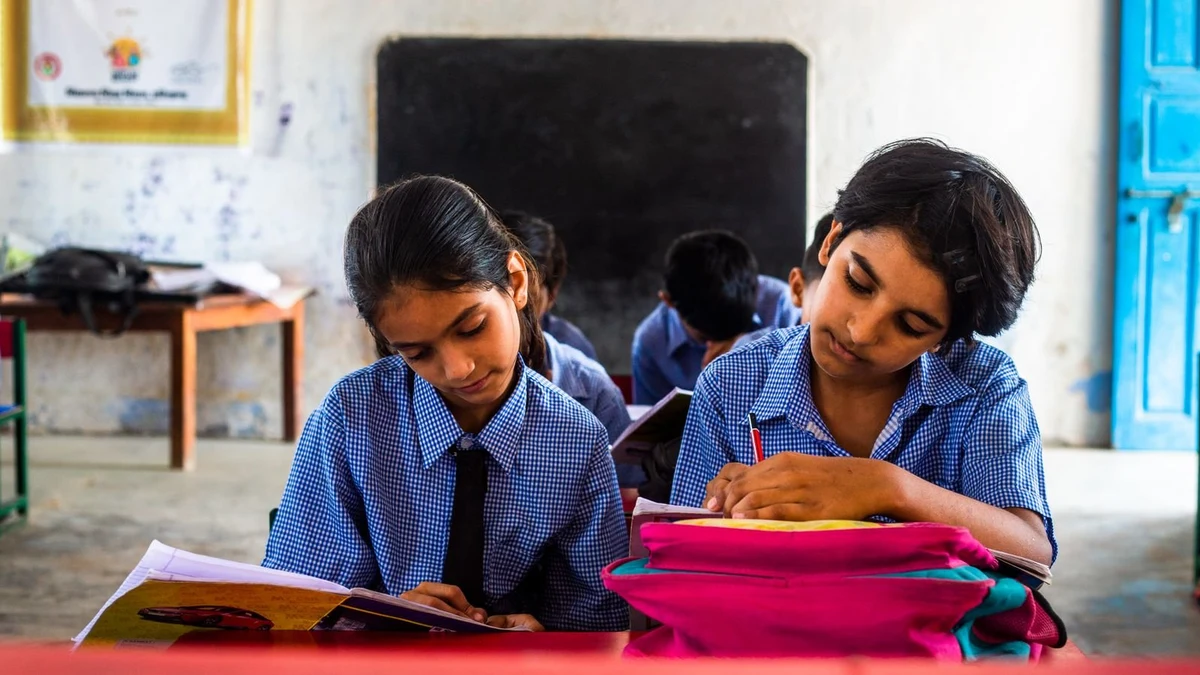
Most parents expect exam fear to look like crying. Often it looks like the opposite: a child who suddenly hates going to school, who takes an hour over homework that used to take twenty minutes, who complains of a stomach ache every test morning and feels fine by lunch, or who says “I don't care about marks” a little too loudly. The stomach ache is real — a nervous gut is one of the commonest ways a child's body expresses worry — and dismissing it as an excuse teaches the child their feelings are not believed.
Fear also shows up as avoidance dressed up as confidence. “The paper will be easy” from a child who has not opened the book is not confidence; it is a child who has decided that not trying is safer than trying and failing. Both need the same response: the fear named out loud, and the next step made small enough to take.
The Five Mistakes Parents Make Most Often
1. Comparing the child with someone else. “Sharma ji's son got 98%” does the most damage per word in Indian parenting. The child hears only one thing: that the parent's approval belongs to another child. Comparison never motivates a frightened child; it adds a second fear — disappointing you — on top of the fear of the exam. If you need a comparison, use the child's own last test: “Last time you got 12 in this chapter, this time 18. That is the direction we want.”
2. Treating the exam as the child's whole worth. When every conversation for a month is about the test, the child learns the exam is the only thing that matters to the family. Keep one part of the day exam-free on purpose — the evening walk, the meal, ten minutes of a story. A child who knows they are loved the same on a bad-marks day can afford to try hard.
3. Sharing your own anxiety. “If you don't clear this entrance, what will happen to us?” is a fear no child can carry. Parents of entrance aspirants feel real pressure — fees, travel, the neighbours' questions — but handing it to a ten-year-old does not make the child study harder. It makes the child freeze. Take your worry to your partner, a friend, or a counsellor, not to the child the night before the paper.
4. The last-minute cram. The evening before the exam is the worst time to discover a weak chapter. A child forced to learn new material at 9 PM goes into the exam tired, confused, and convinced the subject is impossible. The day before is for light revision only: the formula sheet, notes already made, and an early night. Our Class 5 study timetable guide shows how to build revision into the week so the last evening stays calm.
5. Rewarding only marks, never effort. A child praised only for a high score learns to avoid anything that might lower it. Praise the effort you can see: “You sat for forty minutes without getting up”, “You corrected all five mistakes from the last test”. Effort is the one thing a child controls, and children repeat what gets noticed.
What Works Instead: The 48-Hour Plan
When a child says they are scared, the first job is not to fix the fear but to hear it. Sit down, put the phone away, and ask: “Tell me what part scares you most.” Then listen without correcting. Most children, given two quiet minutes, will name something small and fixable — one chapter, one kind of question, the fear of running out of time. A fear with a name is a problem with a size, and problems with a size can be practised.
Then shrink the next step. Not “revise maths” but “do five questions from this page, and I will sit here while you do them”. Our free timed mock test is built for exactly this: a child who has sat through a timed paper once is far less scared of the second one, and our guide on how many mock tests a child needs explains how to use them without turning home into an exam hall.
Keep the body on your side. A child who has slept, eaten, and moved will do better than one who revised until midnight — sleep is when the brain files what was studied. A short walk or a game in the evening does more for tomorrow's paper than another hour at the desk, and our screen time rules protect the hour before bed for the same reason.
Wrong vs Right: A Quick Reference
| Situation | What usually goes wrong | What works instead |
|---|---|---|
| Child says “I will fail” | “Don't say that, you will do fine” — dismisses the fear | “Which part feels hardest? Let's look at that one first.” |
| Bad marks in a test | Silence, or a lecture about wasting fees | Go through the paper together: what went wrong, and what changes next time |
| Night before the exam | New chapters, late-night cramming | Light revision, packed bag, early sleep |
| Child compares with a topper | Agreeing — “Yes, you should be like him” | Compare with the child's own last paper, not with anyone else |
| Child refuses to study | Threats, or taking away everything the child enjoys | One small agreed step — five questions, fifteen minutes — with you sitting nearby |
| Exam morning | Last-minute quizzing at the school gate | A calm breakfast, a normal walk in, and “Do your best, I will be here after” |
One note on entrance exams: fear peaks before the first big test a child ever sits — the first AMU, JMI or Navodaya paper feels enormous because it is unknown, not impossible. That is why our AMU entrance coaching and Navodaya coaching batches run regular timed mocks in exam conditions: fear shrinks fastest when the unknown becomes familiar. The same calm routine works for interviews — see our admissions interview guide.
When Fear Needs More Than a Pep Talk
Most exam fear is ordinary and passes with the exam. But some signs mean a child needs professional help, and recognising them early is a parent's job, not a failure: fear that does not fade after the exam, sleep broken for weeks, a child who stops eating or playing, or panic — racing heart, shaking, crying that cannot be soothed — before every test. If you see these, speak to the school counsellor or your child's doctor first; they can tell you whether a child psychologist would help.
There is also free, official help. The CBSE runs an annual psycho-social counselling programme with a toll-free helpline 1800-11-8004 (CONFIRMED — CBSE's 24x7 IVRS helpline, with tele-counselling by trained counsellors during daytime hours). It is aimed mainly at Class 10 and 12 students, but its recorded stress-management guidance helps any parent of an exam-going child, and cbse.gov.in carries free resources. For younger children at JGPS, our own counsellors talk exam fear through with parents in regular sessions — sometimes the fix is a timetable, sometimes a conversation the whole family needs.
The One Sentence to Remember
If you remember nothing else, remember this: a child who believes their parents will love them the same after a bad paper will try harder than one who believes love depends on marks. Fear does its worst work in silence — keep talking, keep the steps small, and keep one part of every day free of exams. The exam is one morning. Your child is every day after it.
Is exam fear affecting your child's studies?
JGPS counsellors help parents in Joya and Amroha work through exam anxiety — from timetables to mock-test routines that make the real paper feel familiar. Call or WhatsApp us on +91 9997161490 to book a counselling visit or ask about admissions for 2027-28.