How School Admissions Interviews Work (and How to Prepare Your Child)
Last verified: 5 November 2026 | Reading Time: 9 min | Author: Priya Verma
For many parents in Joya and Amroha, the most worrying part of school admission is not the form or the fee — it is the interview. Parents imagine their five-year-old being quizzed, judged, and possibly rejected in a ten-minute meeting. The good news is that the picture is usually much calmer than the fear, and knowing what an admission meeting actually is — and what it is not allowed to be — takes most of the pressure out of it.
This guide explains how school admission interviews and interactions normally work, what the law says about screening young children, how to prepare your child without coaching them into anxiety, and which questions you should ask the school before you accept a seat.
First, the important fact: selection interviews for young children are restricted by law
Under Section 13(1) of the Right of Children to Free and Compulsory Education Act, 2009 (RTE Act), no school or person shall, while admitting a child, subject the child or his or her parents or guardian to any screening procedure. Section 2(o) of the Act defines a screening procedure as a method of selecting one child in preference over another by a method other than a random method. CONFIRMED: this is the text of the Act itself, and the Ministry of Education guidelines issued under it state that there shall be no testing and interviews for any child or parent in the admission process it covers, and no profiling of the child based on parental educational qualifications.
What does that mean in practice? For admission to the elementary stage (Classes 1 to 8), a school cannot lawfully run a pass-or-fail interview or test that decides whether your child gets a seat. If a school calls a meeting an interaction, an orientation, or a familiarisation visit, that meeting should be exactly that: a chance for the school to meet your child, explain its approach, check documents, and answer your questions — not a hidden test. If you ever feel a meeting is being used to rank children or reject them on performance, you are entitled to ask, politely and in writing, what criteria the school is actually using for admission.
Two honest caveats. First, practice varies between schools and stages: pre-primary admissions and admission to Class 9 and above sit in a different position from elementary admissions, and many schools do hold interactions or assessments for older classes. Second, entrance examinations for separate selective schools — such as Navodaya, Sainik School, AMU and JMI school entrances — are a different thing entirely from a general school admission interview, and they have their own published patterns. Do not confuse the two: a coaching entrance test is competitive by design, while a regular school admission meeting for a young child should not be.
What an admission interaction usually looks like
Although every school runs its own process, a typical interaction for nursery or primary admission follows a familiar shape. The school office first confirms the form, the age eligibility for the class, and the documents. Then a teacher or counsellor spends a few minutes with the child — talking, not testing. They may ask the child their name, what they like to play, or to look at a picture book. For older primary children, the school may also check basic reading or number comfort, but this is meant to place the child in the right class, not to reject them. Finally, there is usually time for parents to ask questions about timings, transport, meals, homework, and communication.
For parents, the meeting is also an interview in reverse: you are checking the school. How does the teacher speak to your child, and does anyone explain what happens if your child struggles in the first month? The way a school treats your child in five minutes tells you a great deal about how it will treat them for a whole year.
How to prepare your child — without pressure
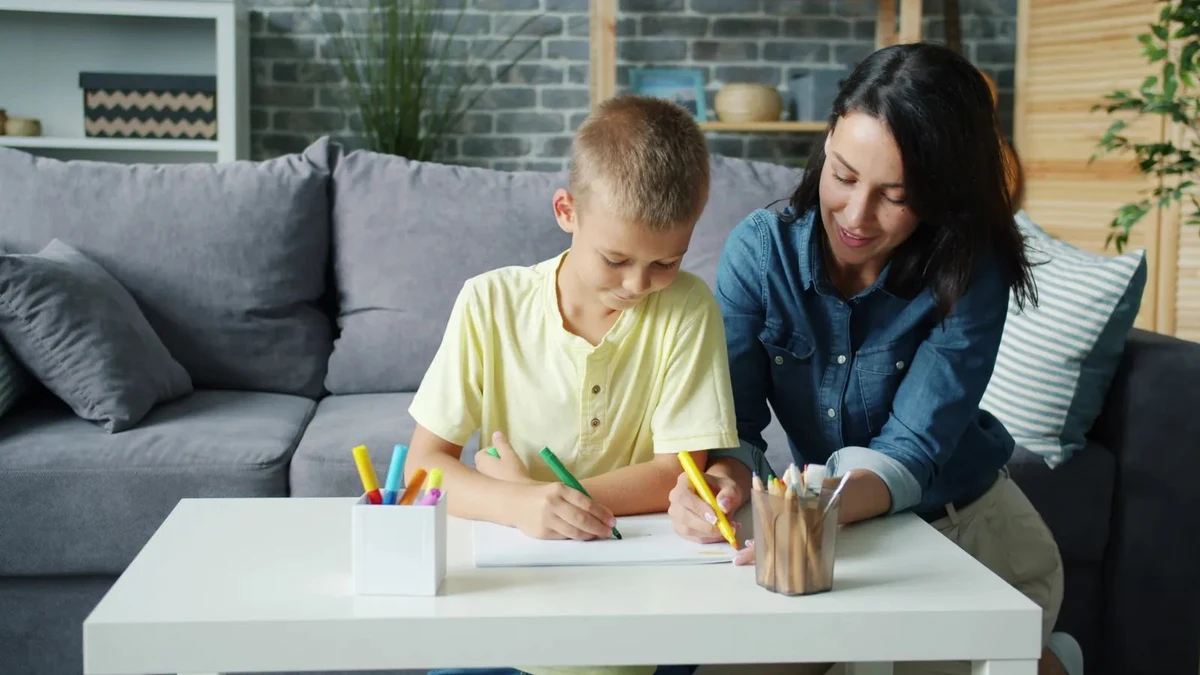
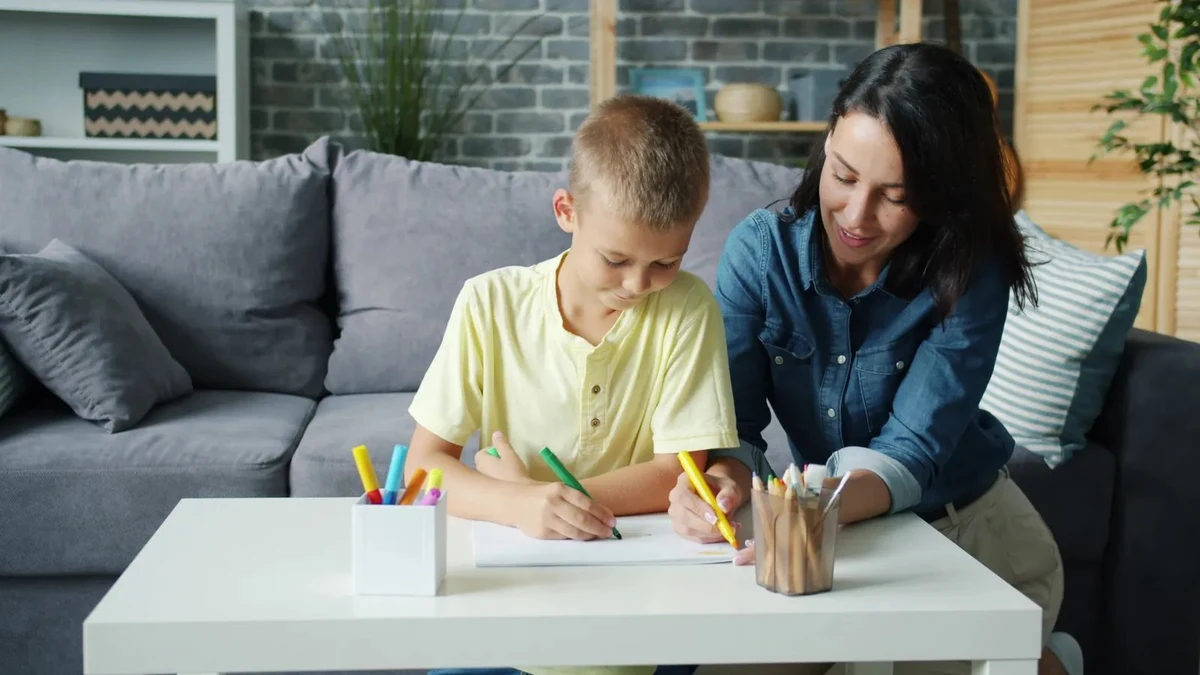
The best preparation is not coaching; it is familiarity. In the week before the visit, talk about the school the way you would talk about a new park: who you will meet, what the classrooms look like, and that the teacher will ask a few friendly questions. Visit the campus gate if you can, or show your child a photo of the school building, so nothing on the day is entirely new. Practise the small social skills that actually matter in the meeting: saying their name clearly, greeting an adult, listening to a question before answering, and saying when they do not know something instead of freezing.
Do not drill your child on alphabet, numbers, or rhymes the night before, and do not promise a reward for performing well or warn them about failing — both messages teach the child that the meeting is a test with consequences. If your child is shy, say so at the start; a good teacher will adjust. On the day, keep the morning normal: a regular breakfast, comfortable clothes, and arrival a little early.
If your child is joining a higher class mid-session, preparation is slightly different: the school may check which topics they have covered so it can place them correctly. Our guide to school admission in Joya for 2027-28 explains the timeline and paperwork, and our master documents checklist covers what to carry. For older children, a short, honest conversation — what subjects they enjoy, what they find hard — helps far more than rehearsed answers.
Questions parents should ask the school
Use the meeting to ask the questions that matter after admission, not just before it. Ask how the school settles a new child in the first two weeks, and who you contact if your child is upset. Ask about the daily routine: start and finish times, homework expectations, and how the school communicates with parents. Ask what happens if your child needs extra help in reading or maths. Ask about transport safety and who is allowed to collect your child. The answers — and how willingly they are given — are a better guide to the school than any brochure.
Also ask directly about the admission decision: when will you hear, in what form, and what happens to the registration amount if you withdraw? Get the answer in writing where possible. Our guide to nursery admission age and readiness helps you check readiness for the class you are applying to.
Admission interaction: what it is, and what it is not
| What you may experience | What it should mean | What to do |
|---|---|---|
| A friendly chat with your child | Getting to know the child; settling nerves | Let your child answer in their own words |
| Questions to parents about the child routine | Understanding health, habits, and support needs | Answer honestly; mention anything the school should know |
| Document verification | Checking age and identity records | Carry originals plus photocopies |
| A short class-level check for older children | Placing the child in the right class | Ask whether it affects admission or only placement |
| A pass-or-fail test for a young child | A screening procedure restricted under RTE Section 13 for elementary admission | Ask for the admission criteria in writing |
The week before: a calm checklist
Keep the final week simple. Confirm the date, time, venue, and documents. Tell your child, in plain words, that you are visiting a possible new school and meeting a teacher. Practise greetings and their full name once or twice — no more. On the day, arrive early, keep your phone away, and let your child speak first when the teacher addresses them. Afterwards, thank your child and talk about what they liked about the school: it teaches them that school visits are safe, interesting experiences, not judgements.
If your child is older and later aims for a selective entrance, preparation changes completely — that is where structured coaching and timed practice belong. Explore our coaching programmes, including Navodaya coaching, via our admissions page.
Applying for 2027-28 at JGPS, Joya?
Come and meet us first — bring your child, see the classrooms, and ask us anything about admission. Call or WhatsApp us on +91 9997161490 to book a campus visit and confirm what to carry for your child's class.