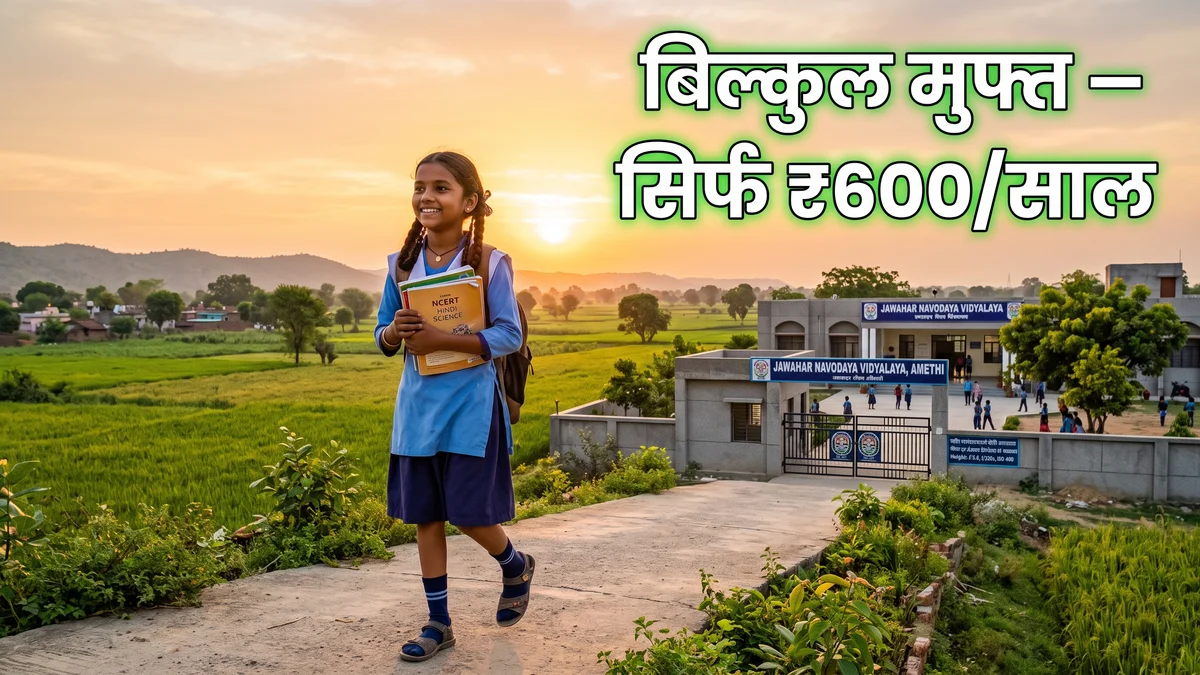
Jawahar Navodaya Vidyalayas (JNVs) have a unique reservation system that prioritizes rural students. 75% of seats are reserved for students from rural areas. Here is everything you need to know about the rural quota for JNVST 2027.
Navodaya Rural Quota: Key Rules
| Rule | Details |
|---|---|
| Rural Quota | 75% seats reserved for rural students |
| Urban Quota | 25% seats for urban students |
| Rural Definition | Studying in a school located in a rural area |
| Proof Required | School certificate showing rural location |
| UDISE Verification | School data verified on UDISE portal |
Who Qualifies as Rural Student?
1. School location: The student must be studying in a school located in a rural area (village).
2. UDISE code: The school must have a UDISE code that classifies it as a rural school.
3. Continuous study: The student must have studied in a rural school for at least 2 years (Class 3-5).
4. Not urban area: Schools in municipal corporations, cantonment boards, and notified areas are considered urban.
Other Reservations in JNV
| Category | Reservation |
|---|---|
| Rural Area | 75% |
| SC (Scheduled Caste) | 15% |
| ST (Scheduled Tribe) | 7.5% |
| OBC (Other Backward Classes) | 27% |
| PwD (Persons with Disability) | 3% |
Advantage for Rural Students
Rural students have a significant advantage in JNVST because:
1. 75% seats reserved: Out of every 80 seats in a JNV, 60 are for rural students.
2. Separate merit list: Rural and urban students have separate merit lists. Rural students compete only with other rural students.
3. Lower cutoff: The cutoff for rural students is typically lower than urban students.
4. More opportunities: With 661 JNVs across India, rural students have more options.
JNVST Coaching at JGPS
JGPS School Joya provides coaching for JNVST with special focus on rural students. Call +91 9412137554 for details.
August 2026 Update
JNVST 2027 applications are open. Rural students should ensure their school's UDISE data is correct. Source: NVS (August 2026).