Announcement
📢 Admissions Open for Session 2026-27 (Nursery to Class 8)🔥 Special Coaching Batches for AMU, JMI, Sainik School, and Vidyagyan!📞 Call Admissions Desk at +91 9412137554📝 Submit Online Form to reserve your evaluation seat📢 Admissions Open for Session 2026-27 (Nursery to Class 8)🔥 Special Coaching Batches for AMU, JMI, Sainik School, and Vidyagyan!📞 Call Admissions Desk at +91 9412137554📝 Submit Online Form to reserve your evaluation seat
View Process →
Home /Blog /Sainik School Medical Test 2027
Admissions & Test Prep

Sainik School Medical Test 2027: Complete Guide for Parents

📅 Date: July 3, 2026👤 Author: Amit Kumar⏱️ Read time: 8 mins
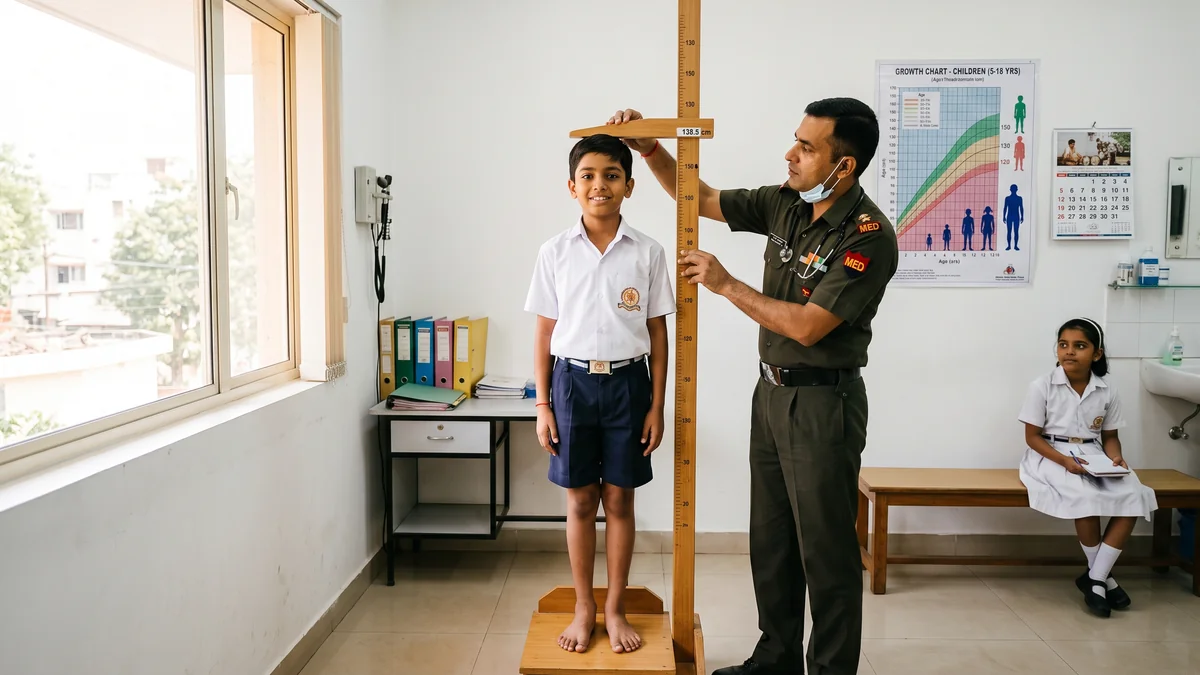
Students preparing for Sainik School medical test 2027 with physical fitness training

Your child cleared the AISSEE written exam. Congratulations. But the journey is not over yet. The Sainik School medical test is the next big hurdle. Every year, hundreds of students who scored well in the written exam get rejected in the medical test. The medical test is strict. It checks height, weight, eyesight, hearing, dental health, and overall fitness. If your child does not meet the standards, they will not get admission — no matter how well they scored.

This guide covers every detail. Height requirements. Weight standards. Eyesight rules. Dental checks. Physical fitness tests. What to do if your child has a problem. Step by step. Simple language.

What Is the Sainik School Medical Test?

After clearing the written exam (AISSEE), every selected student must pass a medical examination. This is conducted by a Board of Medical Officers appointed by the Ministry of Defence. The test is held at the Sainik School itself or at a designated military hospital.

The medical test checks if your child is physically fit for a military lifestyle. Sainik Schools prepare students for the National Defence Academy (NDA). So the medical standards are similar to what the Indian Army requires. The test is thorough. It covers your child's entire body.

📌 Did You Know?

In 2025, approximately 15-20% of selected students were rejected in the medical test despite clearing the written exam. The most common reasons were poor eyesight and being underweight. Do not ignore physical fitness.

Height Requirements for Sainik School 2027

Height is the first thing checked. Your child must meet the minimum height standard for their class. Here are the official requirements:

ClassMinimum HeightIn Feet
Class 6135 cm4' 5"
Class 9148 cm4' 10"

These are minimum standards. Being taller is always better. If your child is even 1 cm below the requirement, they will be rejected. There is no relaxation. No exception.

How to Check if Your Child Will Meet Height Requirements

Measure your child's height now. Stand them against a wall. Use a ruler or measuring tape. Measure from the floor to the top of their head. Compare with the table above. If your child is close to the minimum, do not panic. Children grow quickly between ages 10 and 14. But if they are far below, you need to take action now.

Weight Standards for Sainik School

Weight is checked along with height. Your child must have a healthy Body Mass Index (BMI). Being too thin or too overweight can cause problems. The medical board uses age-appropriate weight charts.

AgeIdeal Weight RangeBMI Range
10 years (Class 6)27 - 38 kg14.5 - 19.5
11 years (Class 6)30 - 42 kg15 - 20
12 years (Class 6)33 - 46 kg15.5 - 21
13 years (Class 9)38 - 52 kg16 - 22
14 years (Class 9)42 - 58 kg16.5 - 22.5

If your child is underweight, increase their food intake. Add bananas, eggs, milk, peanuts, and rice to their diet. If overweight, reduce junk food and increase physical activity. The medical board will measure both height and weight together.

Eyesight Requirements — The Most Common Reason for Rejection

Poor eyesight is the #1 reason students fail the Sainik School medical test. The standards are strict. Here is what your child needs:

  • Distance vision: 6/6 in both eyes without glasses (Snellen chart test)
  • Near vision: N-6 in both eyes
  • Color vision: Must be able to distinguish colors. Ishihara test is used
  • No squint: Eyes must be straight. No cross-eyes or lazy eye
  • No glasses: Students who wear spectacles are generally not accepted

What If Your Child Wears Glasses?

If your child currently wears glasses, the situation is serious. Most Sainik Schools do not accept students with spectacles. However, there are a few things you can try:

  1. Consult an eye doctor immediately: Some vision problems can be improved with eye exercises and reduced screen time. Start 6-12 months before the medical test.
  2. Reduce screen time: No mobile, no TV, no tablet for at least 3 months before the test. This alone can improve vision by 1-2 lines on the Snellen chart.
  3. Eye exercises: Palming, focusing exercises, and outdoor play help improve eyesight. Do them daily for 15 minutes.
  4. Check latest guidelines: Sometimes the rules change slightly. Always check the official notification for the exact eyesight standards.

Hearing and Ear Test

Your child must have normal hearing in both ears. The test uses an audiometer to check hearing ability. Here are the standards:

  • Hearing must be normal in both ears without any aid
  • No ear discharge or chronic ear infections
  • No perforated eardrum
  • No hearing aid is permitted

If your child has a history of ear infections, get them treated well before the test. Chronic ear problems can lead to permanent hearing issues. A simple check-up with an ENT specialist can tell you if there is a problem.

Dental Health Requirements

Many parents do not know that dental health is also checked. The medical board will examine your child's teeth and gums. Here is what they look for:

  • No cavities or decayed teeth
  • Healthy gums — no bleeding, no swelling
  • Proper bite — upper and lower teeth should align correctly
  • No missing teeth that affect chewing

Take your child to a dentist 2-3 months before the medical test. Get any cavities filled. Clean the teeth professionally. This is a small step that can prevent rejection.

Physical Fitness Test — Running, Push-ups, and More

The medical test also includes a physical fitness assessment. Your child will be tested on basic physical activities. Here is what to expect:

ActivityWhat Is TestedTips
RunningSpeed and staminaPractice running 1 km daily
Push-upsUpper body strengthStart with 10, build to 20+
Sit-upsCore strengthPractice 15-20 daily
Long jumpLeg powerPractice standing broad jump
Body postureSpine alignment, walkWalk straight, no slouching

Your child does not need to be an athlete. But they must be fit enough to pass basic physical tests. Start training at least 6 months before the medical test. Daily exercise — running, stretching, and bodyweight exercises — will prepare them well.

Other Medical Checks

The medical board will also check these additional areas:

  • Skin: No major scars, birthmarks, or skin diseases
  • Feet: No flat feet (flatfoot can be a problem for military service)
  • Varicose veins: No swollen veins in legs
  • Hernia: No inguinal hernia or hydrocele
  • Genitals: Normal development, no undescended testicles
  • Blood pressure: Must be normal for age
  • General health: No chronic diseases like asthma, diabetes, or epilepsy

6-Month Preparation Plan for the Medical Test

Do not wait until the last moment. Start preparing now. Here is a month-by-month plan:

Months 1-2: Build the Foundation

  • Start daily running — 10 minutes initially, increase to 20 minutes
  • Do 10 push-ups and 10 sit-ups every morning
  • Reduce mobile and TV time to 1 hour per day maximum
  • Add eggs, milk, bananas, and nuts to daily diet
  • Schedule a full health checkup — eyes, ears, teeth

Months 3-4: Improve and Strengthen

  • Increase running to 1.5 km daily
  • Do 15-20 push-ups and 20 sit-ups
  • Add long jump practice — 2-3 times per week
  • Fix any dental issues found in checkup
  • If eyesight is weak, follow doctor's advice strictly

Months 5-6: Final Preparation

  • Run 2 km daily at a good pace
  • Do 20+ push-ups and 25+ sit-ups
  • Practice all physical test activities together
  • Maintain proper posture — walk and sit straight
  • Get a final health checkup 2 weeks before the test

What to Carry on Medical Test Day

On the day of the medical test, make sure your child has these documents and items:

  1. AISSEE admit card and result printout
  2. Original certificates — birth certificate, school leaving certificate
  3. Caste certificate (if applicable — SC/ST/OBC)
  4. Domicile certificate
  5. 4 passport-size photographs
  6. Previous medical records (if any)
  7. Light sports shoes and comfortable clothing
  8. Water bottle and a light snack

Common Reasons for Medical Test Rejection

Based on data from previous years, here are the top reasons students fail the medical test:

ReasonPercentageCan It Be Fixed?
Poor eyesight35-40%Sometimes (with exercises)
Underweight20-25%Yes (with diet plan)
Below height15-20%Sometimes (age dependent)
Dental problems10-15%Yes (visit dentist)
Ear problems5-10%Sometimes (depends on issue)
Other medical issues5-10%Depends on the issue

What Happens If Your Child Fails the Medical Test?

If your child does not pass the medical test, their name goes on a waiting list. The next student from the merit list gets the seat. Your child cannot be admitted even if they scored the highest in the written exam. The medical test is mandatory.

This is why physical preparation is just as important as written exam preparation. Many parents focus only on books and forget about fitness. That is a mistake. Start both together.

Diet Plan for Sainik School Medical Test Preparation

Good food builds a strong body. Here is a simple daily diet plan for your child:

Breakfast (7:00 AM)

  • 2 boiled eggs + 2 parathas + glass of milk
  • OR poha/upma + banana + milk
  • OR oatmeal with nuts and honey

Mid-Morning Snack (10:30 AM)

  • A handful of peanuts or almonds
  • OR a banana or seasonal fruit

Lunch (1:00 PM)

  • Rice + dal + vegetables + curd
  • OR roti + chicken/paneer + salad

Evening Snack (5:00 PM)

  • Milk + biscuits or toast
  • OR sprouts chaat

Dinner (8:00 PM)

  • Roti + dal + vegetable + salad
  • Light food — avoid heavy fried items at night

People Also Ask

Q: What is the height requirement for Sainik School Class 6?

For Class 6, the minimum height is 135 cm (about 4 feet 5 inches) for boys. For Class 9, the minimum height is 148 cm (about 4 feet 10 inches). These are the official standards set by the Ministry of Defence.

Q: What eyesight is required for Sainik School?

Your child must have 6/6 eyesight in both eyes without glasses. Color blindness is not allowed. If your child wears glasses, they may be rejected. Start eye exercises early and reduce screen time.

Q: Can a child with glasses get admission in Sainik School?

Generally, no. The medical test requires 6/6 vision without spectacles. However, minor refractive errors up to certain limits may be accepted depending on the year's guidelines. Always check the latest notification.

Q: What happens if a child fails the medical test in Sainik School?

If your child fails the medical test, their name goes to the waiting list. The next student on the merit list gets the seat. Your child cannot be admitted even if they topped the written exam. That is why physical fitness matters from day one.

Q: How can I prepare my child for the Sainik School medical test?

Start physical training 6 months before the test. Daily running, push-ups, and stretching. Ensure proper diet with enough protein and calcium. Reduce screen time to protect eyesight. Get a health checkup done 3 months before to catch any issues early.


The Sainik School medical test is strict but fair. If your child is healthy and fit, they will pass. The key is to start preparing early. Do not wait until the written exam results are out. Begin physical training, diet improvement, and health checkups 6 months in advance. Check eyesight, dental health, and height now. Fix any problems early.

If you live in Amroha, Joya, or nearby areas of UP, Jai Govind Public School offers complete coaching for Sainik School — including guidance on medical test preparation. Their trained teachers know exactly what the medical board looks for. Visit jgps.in/coaching/sainik-school or call +91 9412137554 to know more about coaching schedules and fees.

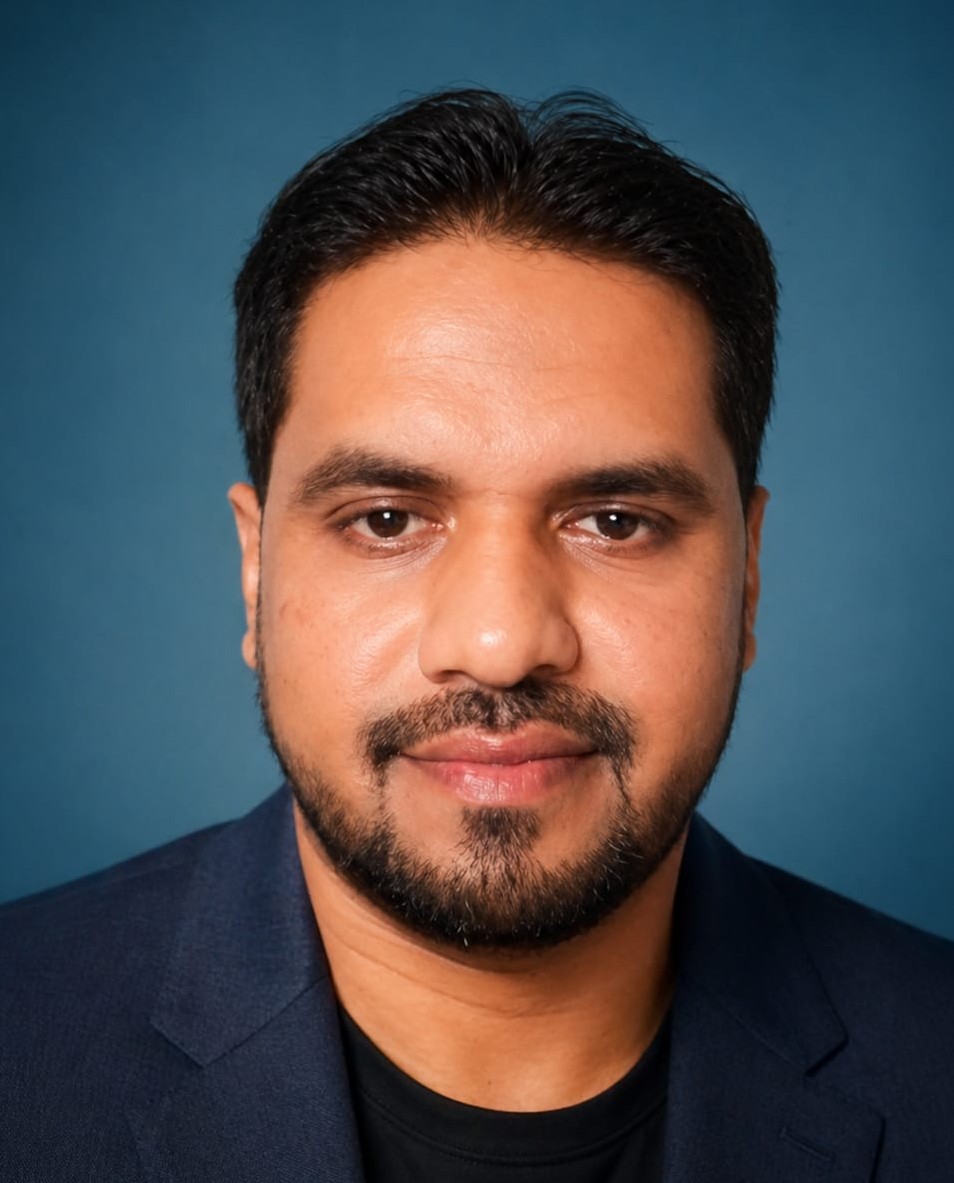
Amit Kumar

Amit Kumar

Entrance Exam Specialist, JGPS

Amit Kumar has 10+ years of experience helping students crack entrance exams like AISSEE, JNVST, and AMU. He has guided 500+ students to success.

View Full Profile