Summer Vacation: Study, Play and Skill-Building Balance
Last verified: 10 November 2026 | Reading Time: 9 min | Author: Priya Verma
Summer vacation is the longest break in the school year, and in Uttar Pradesh it is a long one — about five weeks. Every May, parents in Joya and Amroha face the same question: how much study, how much play, and how much screen time? The two most common answers both fail. Pack the break with tuition and worksheets, and the child returns to school exhausted. Leave the break entirely unstructured, and the child returns having lost the habit of learning altogether. This guide offers a third option: a simple balance of study, play and one new skill, built around the UP school calendar, so the holiday restores your child and still moves them forward.
One note before the plan. The dates in this article come from the Uttar Pradesh government's standing order on summer vacations. Where a date is marked CONFIRMED, it comes from an official order or the state academic calendar as reported by national media. Where it is marked EXPECTED, it is the reasonable reading of that order for 2027 and should be confirmed with your child's school, since private schools set their own schedules.
The Dates You Can Already Plan Around
For government primary, upper primary and composite schools in Uttar Pradesh, the 2026-27 academic calendar issued by the UP Basic Education Council fixed summer vacation from 20 May to 15 June (CONFIRMED). In June 2026, the state government extended that break to 24 June because of the heatwave, and the order stated that summer vacations would be observed from 20 May to 24 June every year, with regular classes resuming on 25 June (CONFIRMED). Teachers and school staff were asked to report from 22 to 24 June to prepare for the new session.
| What | Date | Status |
|---|---|---|
| Summer vacation begins (UP government schools) | 20 May 2027 | EXPECTED |
| Summer vacation ends (UP government schools) | 24 June 2027 | EXPECTED |
| Regular classes resume | 25 June 2027 | EXPECTED |
| Private and CBSE/ICSE schools | Varies by school | CONFIRMED |
Private schools in the Amroha region commonly run a similar window, often starting between 15 and 20 May, but they are free to set their own dates (CONFIRMED). So the first step of any summer plan is a one-minute check: ask your child's school office for its exact 2027 dates, and plan around those, not around a neighbour's school calendar. For the background on how UP vacation dates are announced each year, see our UP school summer holidays guide.
The 3-Part Balance: Study, Play, One Skill
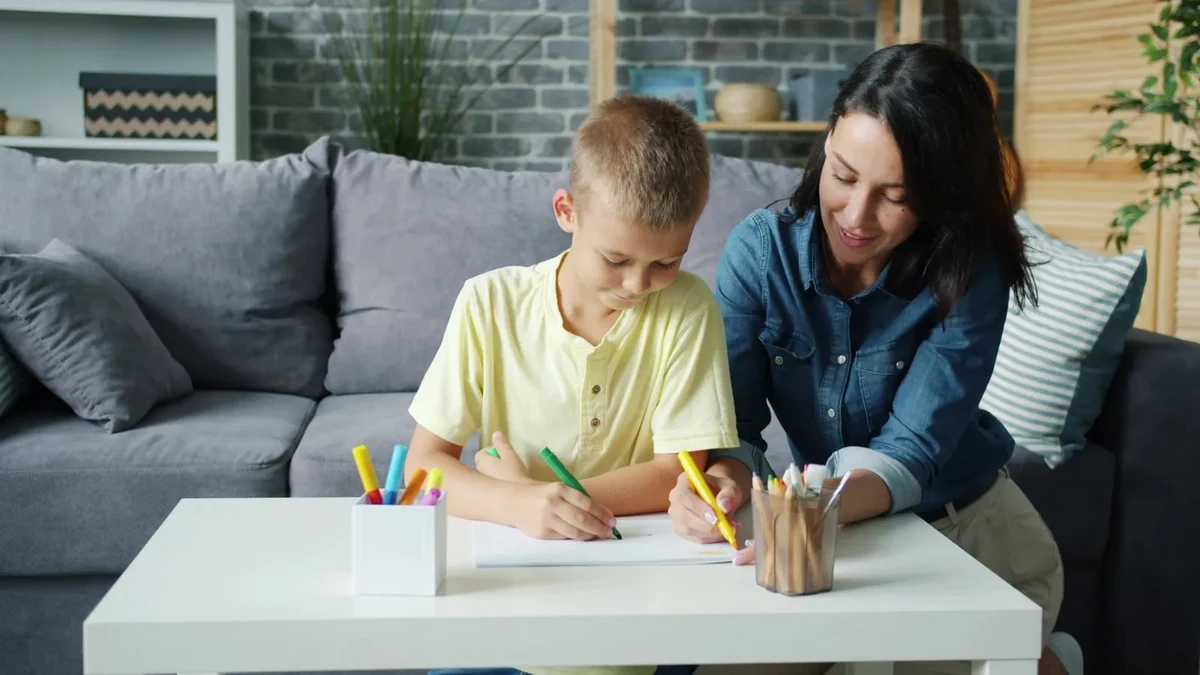
The framework is deliberately simple. Every day of the vacation should contain three things: a short study slot, real outdoor play, and time on one chosen skill. That is it. No hour-by-hour timetable is needed, because a five-week holiday cannot be run like a school day — and should not be. What matters is the weekly rhythm. A child who studies for an hour, plays outside, and spends half an hour on one skill, five or six days a week, will end the summer ahead of where they started, and still feel rested.
Think of the balance in rough proportions rather than exact hours. About half of the child's waking day should be free — play, rest, family time, doing nothing. Roughly a quarter goes to light study and reading. The remaining time goes to the one skill and to family routines. If study starts eating into play every day, the plan has tipped too far. If play has swallowed study for a full week, it has tipped the other way. Parents do not need a stopwatch; they need to notice which side is winning.
Study: Short, Daily, and Mostly Revision
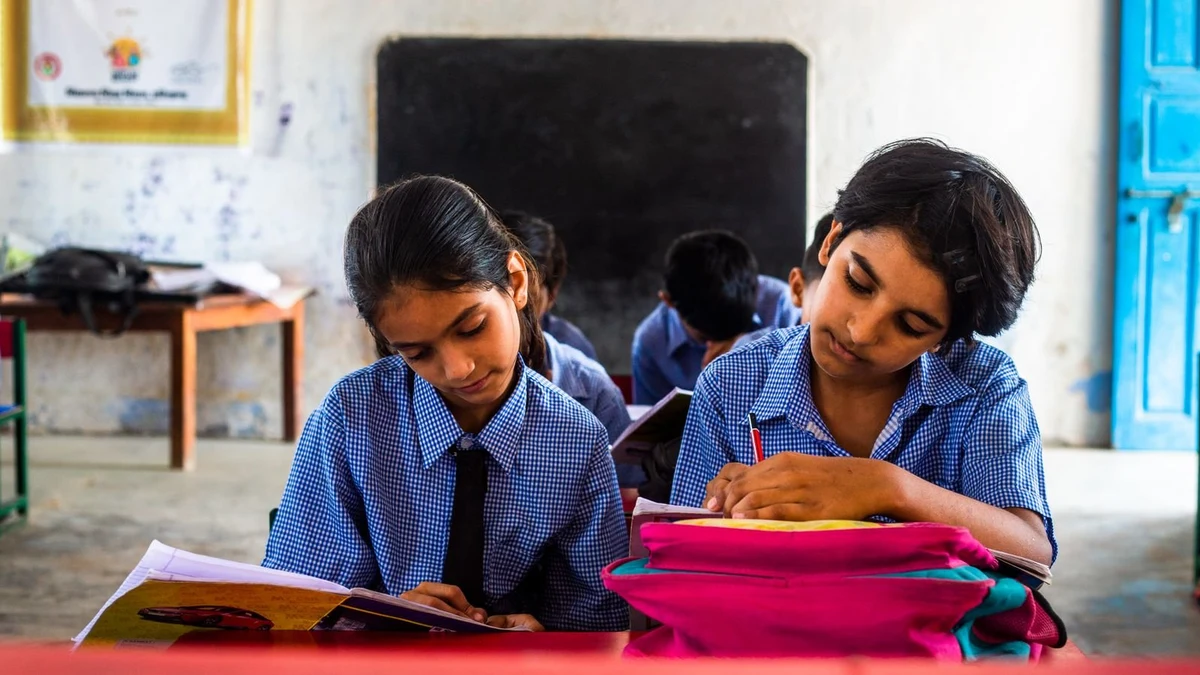
Summer study works best when it is short and daily rather than long and occasional. A child in Classes 1 to 5 needs about 45 to 60 minutes a day. A child in Classes 6 to 8 can manage 60 to 90 minutes. The morning is the best slot in the UP summer, before the heat builds. Keep the content light: revise what was taught this year, practise handwriting and mental maths, and read for 20 minutes. Do not start heavy new syllabus in May — that is what the school year is for, and a child who meets new chapters alone in summer usually meets them with confusion.
For entrance aspirants the rule is the same, only the content changes. A Class 5 student preparing for JNVST or AISSEE should keep one short daily slot for the exam — a timed practice set three or four times a week, plus daily mental ability or maths practice — and spend the rest of the break like any other child. Our Class 5 study timetable guide shows how to fit coaching, school and play into one week without burning the child out, and the same logic applies in summer. A rested aspirant who practised a little every day will beat a tired one who studied eight hours a day in June and forgot it all by August.
Play: The Part Parents Underestimate
Play is not the opposite of learning; for young children, it is a form of it. Outdoor games build coordination, negotiation with other children, and the ability to lose gracefully — none of which a worksheet teaches. In the Amroha summer, the practical rule is timing: play outdoors in the early morning or after sunset, keep water and shade within reach, and move indoor games to the afternoon heat. A child who spends the whole vacation indoors on a screen is not resting; the child is just bored in a different room.
Family time counts as play too. Summer is often the only stretch when grandparents, cousins and visiting relatives are around for weeks. Let the child spend unhurried time with them. Those weeks build the confidence and the stories that a child carries into the next school year, and no coaching centre sells them. If your child complains of boredom for a day or two, that is normal — and useful. Boredom is usually the moment just before a child invents a game, picks up a book, or starts a project of their own.
One Skill, One Summer
The skill is the part that makes a summer feel like an achievement. Pick exactly one, and finish it. A Class 3 child might work on neat handwriting or reading fluency. A Class 5 child might learn mental maths shortcuts, basic keyboard and computer skills, or cycling. A Class 7 or 8 child might try drawing, a spoken-English habit, or the basics of a sport. The skill should be the child's choice from a short list the parent offers — a skill imposed on a child rarely survives week two.
Keep the skill slot small: 30 minutes a day is enough, and it should feel different from schoolwork. A handwriting book is schoolwork; a diary the child writes for fun is a skill. A grammar workbook is schoolwork; a child recording a short English voice note every day is a skill. At the end of the vacation, the child should be able to show something: a finished notebook, a small project, a new ability. One skill finished beats five skills started, and it teaches the child something school rarely does — that steady daily effort produces a visible result.
A Week-by-Week Skeleton
Five weeks is easier to manage as three phases than as thirty-five identical days. Use this skeleton and adjust it to your family:
- Week 1 — Rest and reset: no study pressure at all. Let the child sleep in, play, and recover from the exam season. Set up the reading corner and the skill materials, but do not start the routine yet.
- Weeks 2 to 4 — The rhythm: the daily pattern settles in — morning study slot, outdoor play, one skill session, and a fixed screen window. This is the productive heart of the summer. Keep Sundays completely free.
- Week 5 — The return: wind the routine down and rebuild the school rhythm. Move bedtime earlier by 15 minutes every two nights, check the school bag and books, revise the lightest material, and visit the school if new books or uniforms are needed.
For the reading habit that carries the whole plan, our guide to building readers in Classes 1 to 5 has practical ways to get a reluctant child reading daily. And for the screen-time rules that keep the holiday from becoming a phone holiday, read our screen-time rules that actually work before the vacation starts, not after it has gone wrong.
Screen Time Rules for the Holidays
Screens are where most summer plans quietly collapse, so set the rules in week one, while everyone is still in a good mood. Three rules cover most families: no screens before the study slot is done, one fixed entertainment window in the afternoon or evening, and no phones at meals or in the hour before bed. The rules work best when they apply to adults too — a parent scrolling through dinner cannot credibly enforce a no-phone meal.
Do not try to ban screens entirely; a five-week ban will fail by day three and teach the child that rules are negotiable. Instead, make the screen window boring in the right way: the same time every day, the same length, and no extensions for finishing a game or a video. A child who knows the window is fixed stops negotiating for it, and the rest of the day opens up for play, reading and the skill. If screen time is already a daily battle in your home, settle it before summer — the vacation will only make an existing problem bigger.
Summer vacation is not a problem to be solved with more tuition. It is five weeks of a child's year, and the families who use it well do three simple things: they protect play, they keep a short daily study habit alive, and they help the child finish one skill. Plan the dates now, agree the three rules early, and the summer takes care of itself. If you want help matching a summer plan to your child's class and entrance goals, our Navodaya coaching page and the admissions page explain the batches and entry points at JGPS.
Planning your child's summer — and the year after it?
JGPS, Joya (Amroha) runs entrance coaching for Navodaya, Sainik School, AMU and JMI alongside regular classes from Nursery to Class 8. Call or WhatsApp us on +91 9997161490 to talk about your child's class, goals and the right batch.