Revision Techniques That Work: Spaced Repetition for Kids
Last verified: 9 November 2026 | Reading Time: 8 min | Author: Najma
Ask a Class 5 child how they revise, and the answer is almost always the same: they read the chapter again. Then they read it once more. By exam day, the page looks familiar — and then the questions start, and the answers will not come. Familiarity is not memory. That is the single most important thing parents need to understand about revision, because the method most children use is also the method research finds least effective. There is a better way, and it does not need more hours, more books, or a new app. It needs timing. It is called spaced repetition — revisiting the same material at widening intervals instead of cramming it in one sitting — and it is one of only two study techniques that a landmark review of the research rated as highly effective for learners of every age.
Why Re-Reading Feels Like Learning (But Isn't)
Re-reading produces a warm feeling of recognition. The words look familiar, so the brain reports that the material is known. Psychologists call this the fluency illusion: ease of reading is mistaken for strength of memory. When the book is closed, the recognition vanishes, because recognition and recall are different jobs. An exam does not ask a child to recognise a paragraph; it asks them to produce an answer from memory, with the book shut. That is why a child can read a chapter five times and still go blank on the third question. The effort felt real, but it was spent on the wrong activity. The fix is not to read more times. It is to change what happens during each revision session: instead of looking at the answer, the child should try to produce it.
What Spaced Repetition Actually Is
In the 1880s, German psychologist Hermann Ebbinghaus showed that memory fades fastest soon after learning and then levels off — the forgetting curve. Spaced repetition works with that curve instead of against it. Each time a child recalls something just as it is about to fade, the memory strengthens, and the next fade is slower. So instead of studying a topic once for two hours, the child studies it for twenty minutes, then recalls it briefly the next day, again three days later, again after a week, and once more after a fortnight. The total time is similar, but the remembering is far stronger, because every revisit happens at the moment the memory needs it most. The intervals matter more than the hours. Five short sessions spread over a month beat one long session the night before the test, every time.
What the Research Says
This is not a fashionable tip; it is one of the best-supported findings in learning science. In 2013, John Dunlosky and colleagues reviewed ten common study techniques for the journal Psychological Science in the Public Interest, judging each one on whether it works across ages, abilities, materials, and exam types. Only two techniques earned the highest rating: practice testing (trying to recall material without looking) and distributed practice (spreading study over time). Re-reading and highlighting — the two habits most students report using — were rated low utility. [CONFIRMED] In a classic experiment by Roediger and Karpicke, students who tested themselves recalled 61% of a passage a week later, against 40% for students who only re-read it. [CONFIRMED] A meta-analysis of classroom studies found a moderate advantage for distributed over massed practice (effect size d = 0.54), and a 2021 meta-analysis of 242 studies with over 169,000 participants again ranked distributed practice and practice testing as the most effective of the ten techniques. [CONFIRMED] Two honest cautions: effect sizes describe relative differences between methods, not guaranteed marks, and the benefit depends on feedback — a child who recalls a wrong answer and never checks it will simply remember the wrong answer more firmly. So every recall session must end with checking against the book.
A Simple Spaced-Repetition Schedule for Classes 4–6
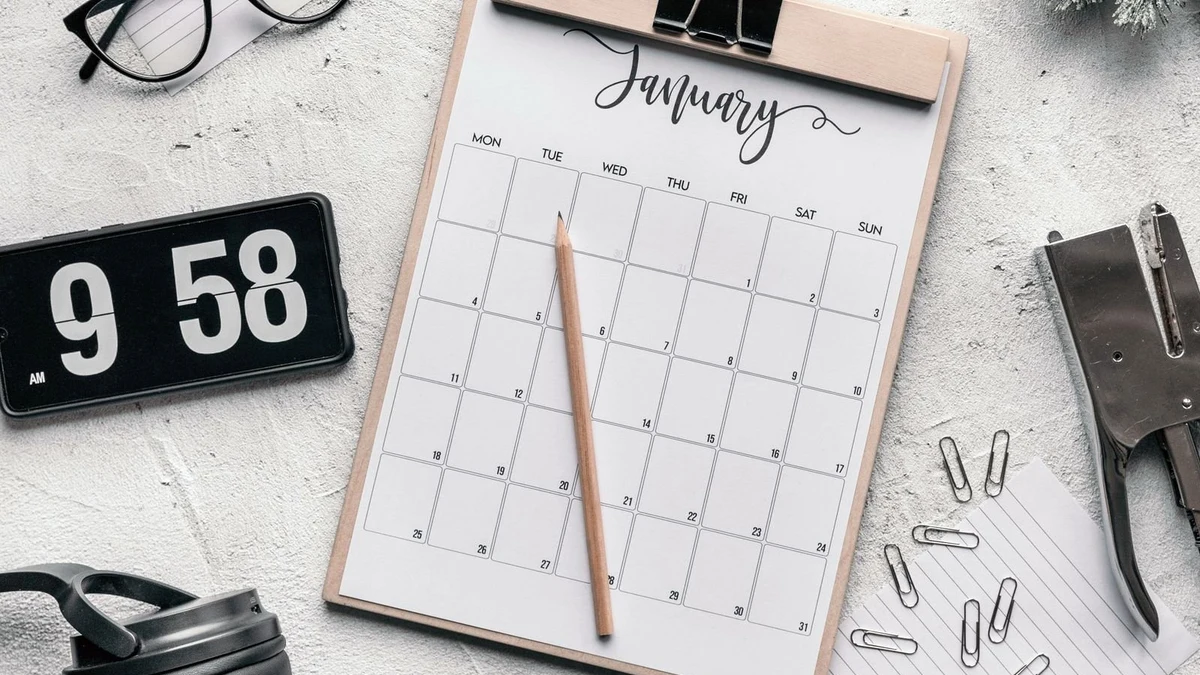
Parents do not need a system or a subscription. A wall calendar and a pencil are enough. Here is a schedule that works for a Class 4–6 child preparing for school exams or an entrance test:
| When | What to do | Time needed |
|---|---|---|
| Day 0 — learn it | Study the topic properly once; make 8–10 short flashcards (question on one side, answer on the other) | 20–25 min |
| Day 1 — first recall | Without the book, answer the flashcards; check every answer and correct mistakes at once | 10 min |
| Day 3 — second recall | Same cards, shuffled; any card missed twice goes back into tomorrow's pile | 10 min |
| Day 7 — weekly check | Blank-page recall: close the book, write everything remembered about the topic, then compare | 15 min |
| Day 14 — fortnight check | Mixed quiz: old cards plus two or three new questions from the same chapter | 15 min |
| Day 30 — monthly sweep | Quick run through the month's cards; anything still shaky restarts at Day 1 | 15 min |
The rule is simple: a card answered correctly moves to a longer gap; a card missed comes back sooner. Nothing is ever "done" after one reading.
How to Run It at Home in 20 Minutes a Day
Keep it small and daily. One topic, twenty minutes, same time each evening — after homework, before play. Start with flashcards, because they force recall: the question is visible, the answer is hidden, and the child must produce it. For maths, the cards can be formulae or one-step problems; for English, spellings and meanings; for EVS and science, definitions and "why" questions. Second, use blank-page recall once a week: the child closes the book and writes down everything they remember about a topic, then opens the book and marks what was missed. What is missed is the next revision list — not the whole chapter. Third, mix subjects across the week rather than finishing one subject completely before touching the next; a little mixing keeps each subject's recall honest. And fourth, let the child do the remembering while the parent does the checking. If a parent reads the answer aloud and the child nods, nothing was tested. The parent's job is to ask, wait through the silence, and praise the effort of trying — even when the answer is wrong. For a broader daily rhythm, see our Class 5 study timetable, and for the parent's role during homework, read how to help with homework without doing it.
Three Mistakes That Undo Good Revision
1. Cramming the night before. A night-before marathon can pass a small class test, because the test comes before the forgetting curve has done its work. For anything that must be remembered for weeks — an entrance exam, a final — cramming is the worst possible plan. 2. Re-reading instead of recalling. If the book is open, the child is recognising, not remembering. Close it first, recall, then check. 3. Skipping the "easy" topics. The topics a child finds easy today are the ones most likely to be skipped — and therefore the ones most likely to be forgotten by exam day. Easy topics need the same schedule, just with longer gaps. If revision week brings tears or panic, that is usually a sign the schedule started too late, not that the child cannot cope — our guide on exam fear in children explains what helps and what makes it worse.
Spaced Repetition and Entrance Exams
Entrance exams are where spaced repetition pays for itself. A JNVST, AMU, or JMI syllabus is months long: a child who learns fractions in July and never revisits them until the January exam has effectively never learned them. Spacing is built for exactly this shape of preparation, because it keeps old topics alive while new ones are added. That is why good coaching batches build revision cycles into the weekly timetable instead of leaving revision to the last month. Parents preparing a child for Navodaya Vidyalaya entrance or AMU school entrance can use the Day 0–30 schedule above for every chapter, and fold the weekly recall into the batch's mock-test cycle. For families studying without coaching, the same method works — see our JNVST self-study plan. Start now, while the exam is months away: spacing needs time, and time is the one thing that cannot be bought in the last week.
Want a revision plan built around your child's entrance target?
JGPS runs structured AMU, JMI, Navodaya, and Sainik School coaching batches in Joya, Amroha, with weekly revision cycles and mock tests built in. Call admissions on +91 9997161490 to discuss your child's class and target exam — or visit the school to see a batch in session.